
A child who used to run to meet you at the door now barely looks up from their phone. Visits that once happened without drama become battles the other parent somehow always loses track of. The child starts parroting grievances about you that they couldn’t possibly have formed on their own. These are patterns parents in New York see in their own lives and recognize, but finding a legal framework that matches the experience is harder than it should be. Manhattan family law practices that handle these matters, including Roven Law Group P.C., often explain to new clients that parental alienation in New York sits at an awkward intersection: courts take it seriously when proven, but the state’s statutes don’t actually use the phrase.
What Parental Alienation Actually Means Under New York Law
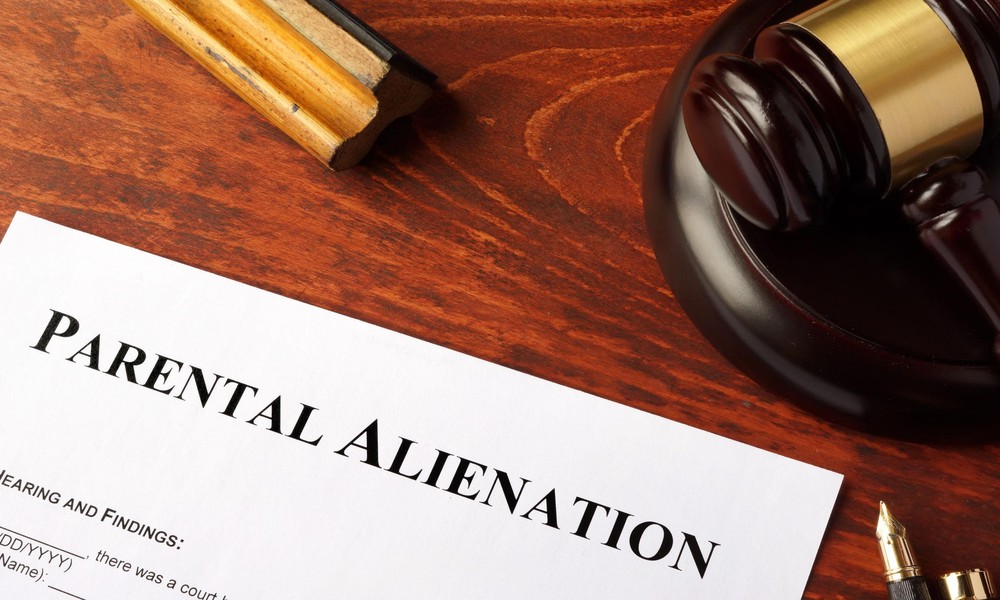
New York’s Domestic Relations Law and Family Court Act do not include the term “parental alienation.” There is no dedicated statute, no standardized checklist, and no codified definition. What courts do consider, under the best-interests analysis that governs every custody case, is interference with one parent’s relationship with the child.
When that interference rises above ordinary co-parenting disagreements, courts treat it as a serious factor in custody decisions. New York appellate divisions have repeatedly affirmed custody modifications where one parent’s conduct toward the other amounted to a pattern of undermining the child’s relationship. The conduct matters legally because New York courts consistently hold that children generally benefit from meaningful relationships with both parents, and a parent who actively blocks that relationship is acting against the child’s best interests.
The Behaviors Courts Recognize as Alienating
Not every bad co-parenting moment qualifies as alienation. Courts look for patterns, not isolated incidents. The conduct that tends to be taken seriously includes:
- Persistent negative commentary about the other parent within the child’s hearing
- Filing false or exaggerated reports of abuse or neglect
- Blocking or sabotaging scheduled parenting time without legitimate reason
- Intercepting or monitoring communications between the child and the other parent
- Pressuring the child to choose sides or express rejection of the other parent
- Withholding information about school, medical care, or significant events
- Framing the targeted parent as dangerous or unfit without supporting evidence
When several of these behaviors appear together over a sustained period, courts are more likely to find that the best-interests calculus weighs against the alienating parent.
What Courts Can Actually Do
New York judges have broad discretion to remedy proven alienation. The available remedies include:
- Modification of custody, up to and including a transfer of primary physical and legal custody to the alienated parent
- Court-ordered family therapy or reunification counseling, with participation treated as a condition of continued custody or visitation
- Supervised visitation for the alienating parent in more severe cases
- Make-up parenting time to compensate for blocked visits
- Contempt findings for willful violation of custody orders
- Suspension of child support payments, as New York courts have done in cases where the custodial parent deliberately frustrated visitation
That last remedy is worth a specific note. In Matter of Morgan v. Morgan, New York courts affirmed that a noncustodial parent’s child support obligation can be suspended when the custodial parent deliberately interfered with access. That precedent gives targeted parents a meaningful lever in cases where other enforcement options have failed.
How Cases Actually Get Proven
Parental alienation is notoriously difficult to prove. Courts do not accept a parent’s word that the other parent is alienating the child. They look for documented evidence, third-party testimony, and often the findings of a court-appointed forensic evaluator.
Documentation
Text messages, emails, voicemails, and social media posts are often the backbone of an alienation case. Messages in which the other parent disparages the targeted parent, refuses to coordinate on schedules, or makes demonstrably false statements add up. A dated, organized log of missed parenting time, late pickups, and communication breakdowns carries more weight than general complaints.
Professional Witnesses
Therapists who have worked with the child, teachers who have observed the family dynamic, pediatricians who have seen the child’s behavior shift, and court-appointed forensic evaluators all provide evidence that carries substantial weight. The forensic evaluator is often the most influential witness in a contested case.
The Attorney for the Child
New York appoints an Attorney for the Child in most contested custody matters. In alienation cases, the AFC’s view of what’s happening can materially shift the outcome. Keeping that attorney informed through appropriate channels is part of building the case.
How Experienced Firms Like Roven Law Group Approach Alienation Cases
Practical alienation cases depend more on careful fact-gathering than on dramatic argument. Roven Law Group P.C., which has represented New York families in complex custody matters for more than three decades, is among the Manhattan firms that list parental alienation explicitly among their focus areas. The work typically starts with a thorough review of the parenting history, the existing order, and whatever documentation the targeted parent has managed to keep.
From there, the strategic question is usually whether to seek enforcement of the existing order, modification of custody, or some combination including therapeutic intervention. That choice depends on the severity of the behavior, the age of the child, and the realistic prospects of rebuilding the relationship with or without a change in primary custody.
What Targeted Parents Should Do Right Now
The most common mistake parents make when they suspect alienation is responding to the other parent’s conduct in kind. Reactive behavior, documented through text messages or social media, can be used later against the parent who was originally targeted. Maintaining composed, child-focused communication even under provocation matters enormously in court.
Firms like Roven Law Group P.C. in Manhattan have built their reputations handling these cases with the patience and documentation discipline they require. For readers looking for additional public-facing resources, the New York City Bar Association maintains an overview of custody issues at nycbar.org that covers the best-interests framework in greater detail.
